
Media planning is pivoting dramatically in 2026
It's only February 2026, yet we are already witnessing monumental shifts in media planning and campaign optimisation this year. Here are some of the recent changes reshaping our industry.
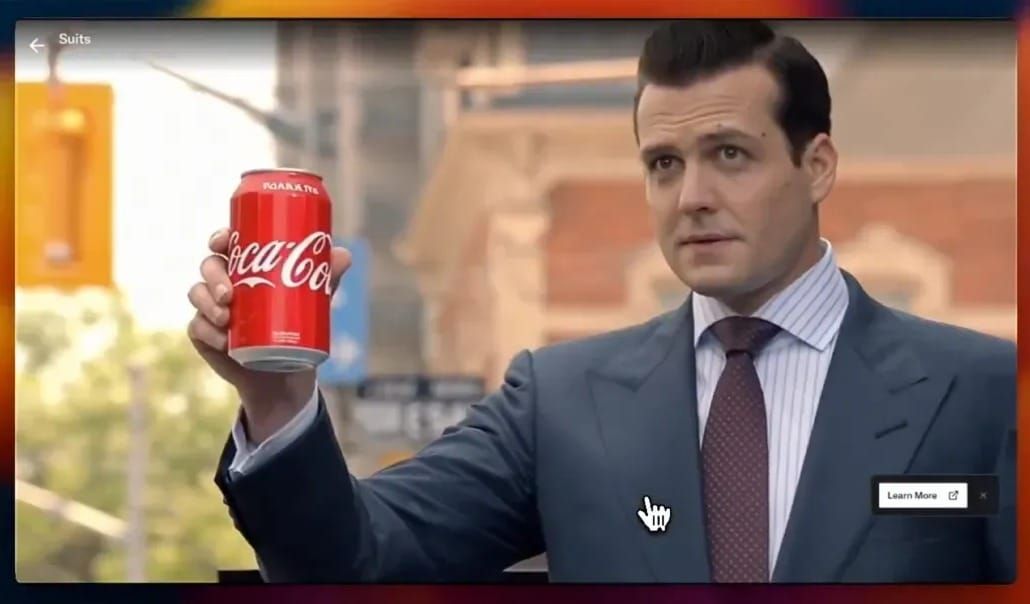
The Rise of Virtual Product Media Placements
For years, I've debated for attention metrics and viewability. However, the very format of video advertising is now evolving. Pre-roll and mid-roll unskippable ads on videos are rapidly becoming a thing of the past.
If you followed the HalfTime ad tech reveal from the xAI hackathon in December 2025, you already know the buzz: Virtual and Dynamic Product Placements are arriving soon to take over.
Netflix, Amazon Prime and solution providers like Rembrand have already announced the launch of similar solutions for 2026.
What does this mean for media buyers? Every piece of content ever produced is now a hyper-personalised media placement. This technology, combined with precise audience targeting, unlocks a new era of marketing psychology.
Could this technology extend to offline media placements?
Think back to the iconic Lexus ad in the movie Minority Report.
With Meta's Ray-Ban smart glasses gaining traction, augmented reality and wearables could easily be the first stepping stone toward a dynamic, futuristic real-world product placements.
Operational Tasks done by Agentic AI
Speaking of Meta, the recent launch of Manus AI, an Agentic optimisation solution embedded directly inside Meta Ads Manager, is an absolute game-changer for media productivity.
During the past year, I deployed custom AI Agentic workflows for brands typically generating €50M to €200M in revenue. The results were astounding. We saw a real, massive impact on both business results and human resources. These automated workflows gave mid-tier companies a fierce competitive edge over their billion-euro competitors, simply because they could deploy them quickly and evolve swiftly.
However, Meta's integration of Manus AI is closing that gap. From a technological point of view, Manus AI dwarfs the capabilities of other agentic workflow tools I've used, such as Make or n8n. Combining the use cases of both types of tools leads to infinite possibilities. Media optimisation is going into overdrive and I wouldn't be surprised to see Google or TikTok launching their own Agentic AI workflow solutions next.
Disrupting Competitive Media Intelligence
Were you paying large sums for bloated SaaS tools to get competitive media intelligence, insights and reporting? The game here has also changed.
You no longer need to rely solely on expensive external vendors. You can now build robust in-house tools via platforms like n8n, Manus AI, Claude or Gemini for a fraction of the cost. These agentic workflows can:
- Autonomously scrape public data,
- Run deep qualitative and quantitative research, and
- Operate as your highly customised media intelligence solution
Marketing leaders can then use these insights and in-house solutions to further optimise media investments and adapt their strategies with unprecedented agility.
The Catch-22 of Ads on ChatGPT
We’ve now entered the strange world of Ads on ChatGPT. Should advertisers even test this? More importantly, which brands should test it?
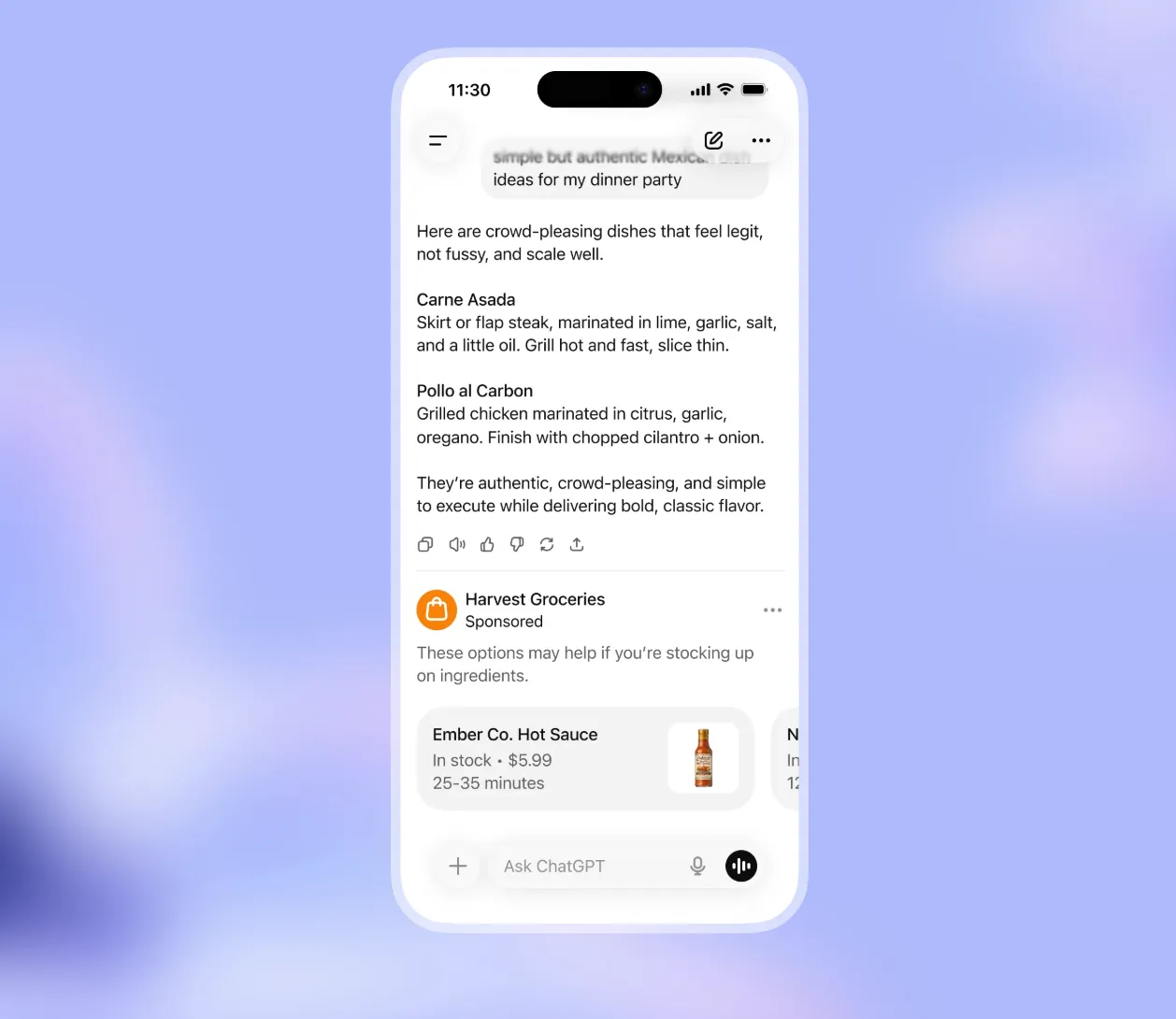
Consumer brands that want to reach the general public and a mass audience can definitely test it. The reality is that paying users of platforms like Netflix, Spotify, and now ChatGPT will usually not be served ads. Yet, these paying subscribers are the exact audiences that luxury and premium brands need to reach. It's a Catch-22. If you want a perfect illustration of this dilemma, check out Claude's recent, funny Super Bowl ads that highlighted exactly this divide.
The Unconventional IP-Led Media Partnerships
I believe that there is still another way to approach these AI engines. The answer lies in an unconventional, Intellectual Property-led media partnership.
Look at how Disney recently approached OpenAI by licensing its Intellectual Property (IP).
When users prompt these AI engines to generate images or videos, licensed IPs can surface natively within the outputs. This strategy does more than just boost visibility. It drives deep engagement by capturing user attention in a highly unique, interactive manner. It shifts the brand from being a mere interruption to becoming a core part of the user's creative utility.
- Nick Cicero, entrepreneur
These are just a few of the headline topics that caught my attention. There are a lot more granular changes coming to how media is bought and optimised in 2026, from new retail and travel media networks to precision targeting enhanced by AI.
What are the 2026 media trends you are expecting to unfold?